Top Picks
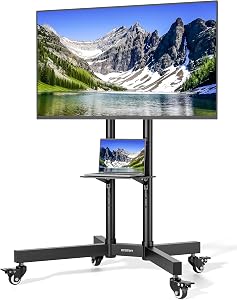
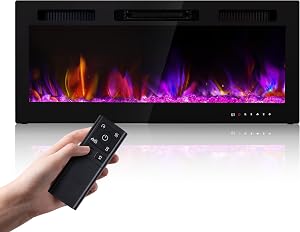
The Cable Chaos Crisis Every TV Owner Knows Too Well
You just dropped serious cash on a stunning 65-inch 4K beauty. The picture is breathtaking. The sound is cinematic. The mount is laser-level perfect. And then... you glance down.
A tangled jungle of black wires snakes across your wall like an angry octopus, devouring the entire vibe you worked so hard to create. Sound painfully familiar?
> "A beautiful TV with messy cables is like wearing a tuxedo with muddy boots. The mess steals the entire show."
Here's the liberating truth: you don't need to be a licensed electrician, a high-priced contractor, or a YouTube savant to fix this. With the right techniques, a handful of affordable tools, and a single focused weekend, you can transform that visual disaster into a clean, magazine-worthy entertainment space that makes guests gasp out loud.
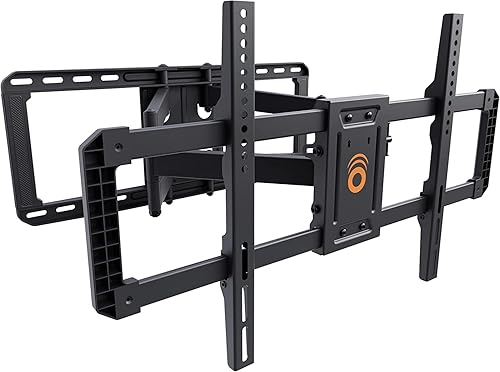
Ready to make those wires vanish into thin air? Buckle up. Let's dive in.
Why Hidden Cables Matter More Than You Think
Think cable management is purely about aesthetics? Think again. The benefits ripple far beyond a pretty wall, touching everything from your home's resale value to your daily mental peace.
| Benefit | Real-World Impact |
|---|---|
| Visual Appeal | Up to 70% cleaner, more luxurious aesthetic |
| Home Value | Adds perceived modernity and instant resale appeal |
| Safety First | Eliminates trip hazards and pet-chewing risks |
| Dust Defense | Faster cleaning and dramatically less buildup |
| Cable Longevity | Protected wires last 2 to 3 times longer |
| Mental Calm | A clutter-free space measurably reduces visual stress |
> The Eye-Opening Stat: A recent home staging survey discovered that 87% of buyers cite "visible cords and wires" as an instant turn-off when viewing modern living rooms. That's nearly 9 out of 10 people silently judging your space the second they walk through the door.
The Hidden Cost of Cable Clutter
> "Disorganized cables aren't just ugly. They're tiny tripwires for accidents, dust magnets, and slow killers of expensive electronics."
A recent study from the Consumer Technology Association found that 34% of premature HDMI cable failures trace back to bending stress and tangling. Translation? Every messy cord pile is shaving years off your gear's lifespan.
Method 1: The In-Wall Cable Kit (The Gold Standard)
This is the cleanest, most jaw-droppingly professional solution available to mere mortals. And the best part? You absolutely do not need to be an electrician to pull it off like a seasoned installer.
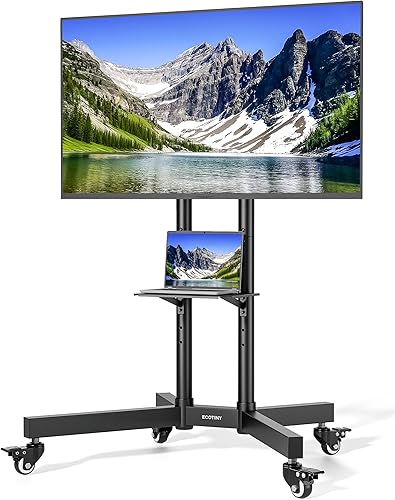
What You'll Need
- An in-wall cable management kit (around $30 to $50)
- A drywall saw or oscillating multi-tool
- A stud finder (absolutely non-negotiable)
- A sharpened pencil and bubble level
- A reliable power drill
- Safety glasses (because drywall dust loves eyeballs)
The Step-by-Step Magic
- Locate your studs first. Pick a vertical stud-free zone behind your TV and another behind your media console. Cutting into a stud is a homeowner's nightmare you do not want to learn the hard way.
- Trace your openings carefully. Use the template included with your kit to outline both wall plate locations with a sharp pencil. Measure twice. Cut once. Live happily.
- Cut with quiet confidence. Slowly saw out both rectangles. Pro move: cut at a slight inward angle to avoid jagged edges that ruin the finish.
- Run your cables like a pro. Feed your HDMI, power, and audio cables through the top opening down to the bottom one. A fish tape or stiff coat hanger makes this 10x easier and prevents the dreaded snag-and-curse moment.
- Install the plates and celebrate. Snap the brushed wall plates into place. Step back. Admire perfection. Take a photo for Instagram. Bask in the silence.
Safety First: The One Rule You Cannot Break
> WARNING: Never run a standard extension cord inside your wall. It is a fire code violation in every state. Always use a rated in-wall power kit with a proper romex relocation system. Your house. Your insurance. Your life. Don't gamble.
Method 2: The Cord Cover Channel (The Renter-Friendly Hero)
Living in an apartment? Stuck with a strict landlord who treats wall holes like personal offenses? Can't cut into walls without kissing your deposit goodbye? This method is your new best friend.
Cord cover channels are paintable plastic raceways that mount directly to your wall, hiding all cables inside a sleek, low-profile housing. Once painted to match your wall color, they practically vanish into the background.
Why Renters Adore This Method
- Zero permanent damage to walls
- Removes cleanly with no patching required
- Paintable surface disappears like camouflage
- Costs under $25 for a full living room setup
- Installs in 20 minutes with basic tools
Quick-Win Installation Steps
- Measure your cable run from TV to outlet, then add 2 extra inches for breathing room.
- Cut the channel with a hacksaw or sharp utility knife for ultra-clean edges.
- Peel and stick the adhesive backing, or use the included screws for heavier loads.
- Paint to match your wall using two thin coats and a small foam roller.
- Snap the cover shut and stand back. Watch it disappear.
Method 3: The Furniture Solution (The Lazy Genius Approach)
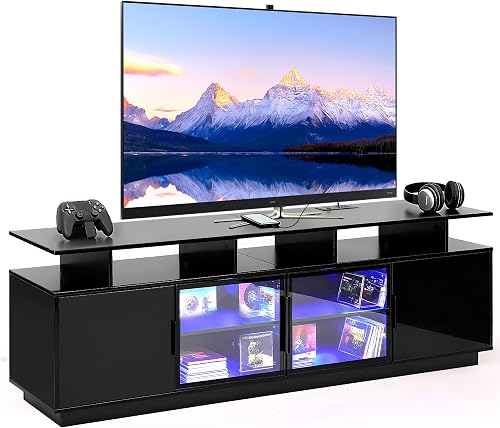
Don't want to cut walls or paint channels? Let your furniture do the heavy lifting. Modern TV stands and media consoles are engineered with built-in cable management that handles the mess automatically.
Smart Features to Hunt For
| Feature | Why It Matters |
|---|---|
| Rear cable cutouts | Routes wires invisibly behind the unit |
| Removable back panels | Easy access for upgrades and rearranging |
| Internal channels | Keeps every cord separated and traceable |
| Built-in power strips | Single-cord clean look out of the box |
| Floating wall mounts | Zero floor cables, maximum modern vibes |
> Designer Secret: A floating media console paired with a wall-mounted TV creates the illusion of a fully wireless setup, even when six devices are plugged in behind the scenes. It is the trick every interior designer uses on Instagram.
Method 4: The Cable Sleeve (The Fast and Flexible Fix)
Need a solution in 5 minutes flat? Cable sleeves bundle all your wires into one neat, fabric-wrapped tube that looks intentional instead of accidental.
Perfect For
- Quick fixes before guests arrive
- Standing desks and gaming setups
- Rental properties where adhesive feels too permanent
- Anyone allergic to power tools
The Ultimate Cable Management Toolkit
Want to nail this on the first try? Here is the gear that separates frustrated amateurs from confident pros.
| Tool | Purpose | Approx Cost |
|---|---|---|
| Velcro cable ties | Reusable bundling, no permanent crimps | $8 |
| Adhesive cable clips | Anchor cords along baseboards | $10 |
| Cable raceways | Hide bundles along walls | $20 |
| Surge protector with mount | Power plus tidy storage | $35 |
| Cable labels | Identify cords in 2 seconds flat | $7 |
| Magnetic cable channels | Removable, paint-friendly | $25 |
> Pro Tip: Skip the cheap plastic zip ties. They crimp cables, can't be reopened without scissors, and leave permanent dents. Velcro is always king.
7 Common Cable-Hiding Mistakes to Avoid
Even the most enthusiastic DIY warrior trips on these classic pitfalls. Sidestep them and save yourself hours of regret.
- Skipping the stud finder. One wrong cut and you are patching drywall all weekend.
- Running power cords inside walls without a rated kit. A fire code violation waiting to happen.
- Over-bundling cables too tightly. Signal degradation and overheating are real.
- Forgetting future-proofing. Always leave room for one more cable. Future you will say thank you.
- Painting raceways before installing. Paint chips during install. Paint after. Always.
- Ignoring heat dissipation. Crammed cables behind a hot TV is a recipe for early failure.
- Using cheap HDMI cables. Long runs need certified high-speed cables or you lose 4K HDR signal.
Frequently Asked Questions
Can I really hide a power cord inside my wall?
Yes, but only using a properly rated in-wall power kit that relocates the outlet behind your TV. Never run a standard extension cord inside a wall. It is dangerous and against electrical code in every state.
How long does a full cable-hiding project take?
Most in-wall kits take 1 to 2 hours for a focused DIYer. Cord covers and sleeves take under 30 minutes. A full media console rewire might stretch to 3 hours with cleanup.
Will hiding cables hurt my Wi-Fi or HDMI signal?
Not if installed correctly. Keep power cords separated from data cables by at least 6 inches to prevent interference, and use high-quality shielded HDMI cables for runs longer than 10 feet.
What is the cheapest way to hide TV cables?
A $20 paintable cord cover channel offers the best results for the lowest cost. It looks clean, installs in minutes, and removes without damage.
Your Wire-Free Future Starts Today
A tangle of cables is the single biggest enemy standing between your living room and that magazine-cover look you crave. The good news? You now have everything you need to crush this project in a single weekend.
Whether you go full pro with an in-wall kit, play it safe with paintable channels, or simply upgrade to a smart media console with built-in management, the result is the same: a stunning, distraction-free space that lets your TV finally shine like it deserves.
> One final truth: Your future self will look at that clean wall every single evening and silently thank present-you for taking the leap. That is the magic of great cable management.
Now grab your stud finder. Your dream living room is one weekend away.
Key Takeaways
- Choosing the right how to hide TV wires means matching capacity and output ports to your actual devices
- Always check actual watt-hours (Wh), not just watts — runtime depends on Wh, not peak output
- Also covers: cable management for TV stand
- Also covers: hide cables behind TV
- Also covers: TV wire concealment kit
- Compare price-per-Wh across models to find the best value for your budget