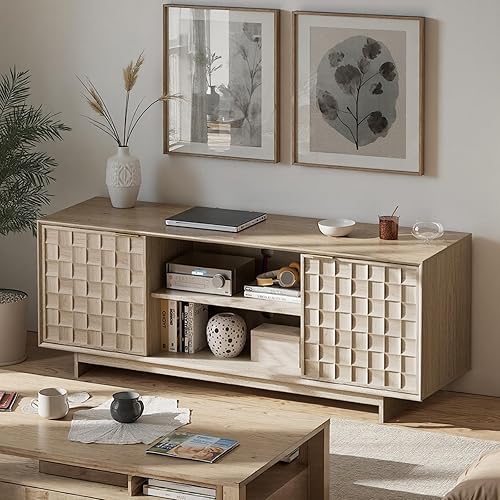
Top Picks
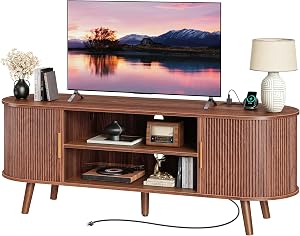
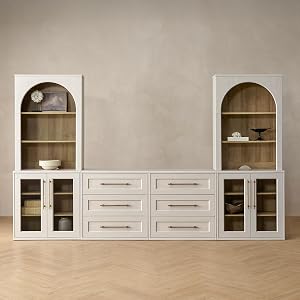
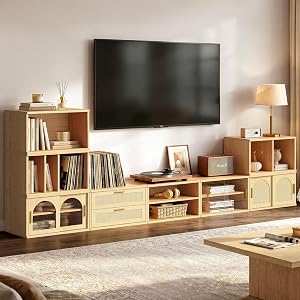
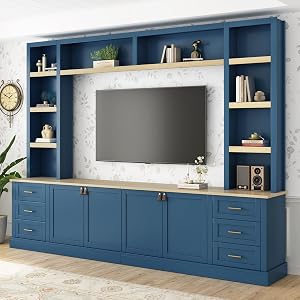
Your Living Room Deserves Better Than a Cluttered, Wobbly Mess
Let's be brutally honest for a moment. That tangled jungle of cables snaking behind your TV? The flimsy particleboard stand that wobbles every time someone walks past? The remote controls scattered across three different surfaces like archaeological artifacts? You deserve infinitely more than this.
A well-chosen entertainment center isn't merely furniture. It's the beating heart of your home, the stage where movie nights unfold into memories, where Sunday football becomes sacred ritual, where families gather shoulder to shoulder, and where your prized AV setup finally gets the showcase it has always deserved. Getting this single purchase right doesn't just upgrade a room. It transforms your entire living experience.
> "The right entertainment center doesn't just hold your TV. It elevates your entire room, hides the chaos, and makes every viewing experience feel genuinely cinematic."
This comprehensive, no-nonsense guide walks you through everything that actually matters: the materials that last decades versus those that warp within months, smart storage strategies that keep your space gallery-clean, and the cable management secrets that professional home theater installers swear by.
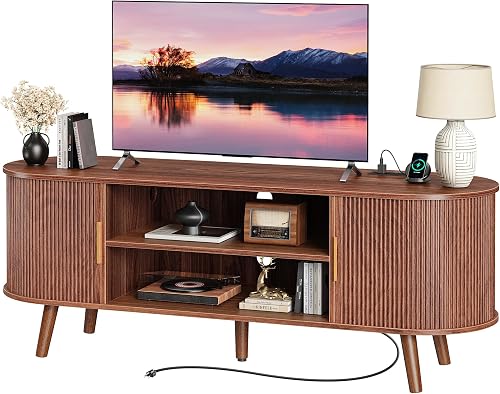
The 60-Second Snapshot: Key Takeaways at a Glance
| What Matters Most | Why It's Absolutely Critical |
|---|---|
| Solid Wood vs. Engineered | Determines durability, weight capacity, and long-term resale value |
| Storage Configuration | Maximizes function for your specific gear lineup and lifestyle |
| Cable Management | Eliminates visual chaos and prevents catastrophic overheating |
| Ventilation Design | Protects thousands of dollars in expensive electronics |
| Weight Capacity | Ensures your prized TV stays exactly where it belongs |
| Style Compatibility | Harmonizes with your existing decor without compromise |
By the Numbers: Why This Decision Matters
> 78% of homeowners regret their first entertainment center purchase within 3 years. > > $1,200 is the average cost of replacing a low-quality stand and damaged electronics. > > 15+ years is the typical lifespan of a solid hardwood entertainment center.
Chapter 1: The Materials That Make or Break Your Investment
Before you even glance at storage features or aesthetic flourishes, you absolutely must understand what your entertainment center is actually made of. This single factor determines whether you're investing in furniture for the next decade or simply purchasing the next dust collector destined for the curb.
Solid Hardwood: The Heirloom Champion
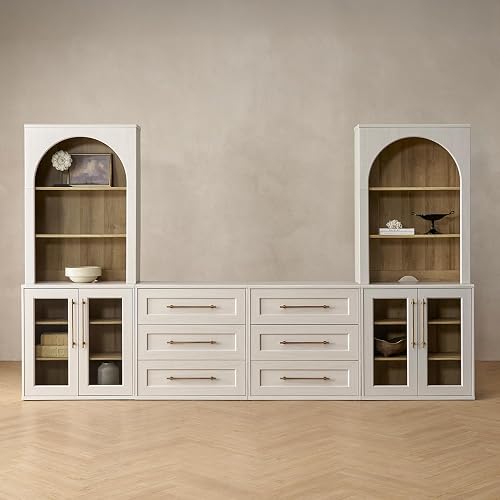
If longevity, beauty, and authentic craftsmanship matter to you, solid hardwood reigns absolutely supreme. Think oak, walnut, maple, cherry, and mahogany. These extraordinary pieces don't just survive moves and renovations. They develop deep character, hold their value, and often outlive the design trends that birthed them.
The Compelling Pros:
- Exceptional durability spanning multiple generations
- Stunning natural grain patterns that age gracefully like fine wine
- Superior weight capacity for the heaviest TVs and audio equipment
- Refinishable surface that recovers beautifully from scratches and water rings
- Premium resale value that often appreciates rather than depreciates
- Heirloom potential to pass down through your family
- Significantly higher upfront investment required
- Considerable weight makes rearranging a genuine workout
- Sensitive to humidity swings without proper finishing and care
- Limited availability of large-scale pieces in modern minimalist designs
Engineered Wood and MDF: The Smart Middle Ground
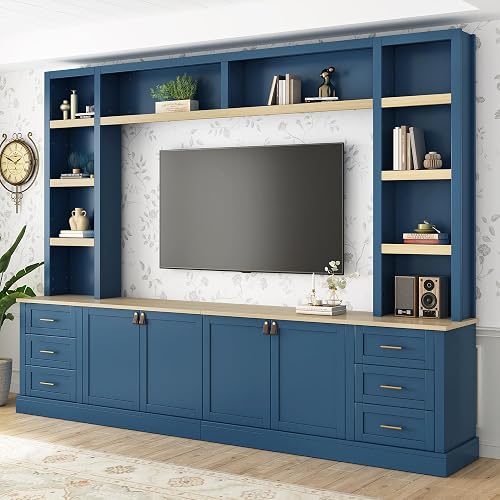
Medium-density fiberboard and modern engineered wood products have come remarkably far in the past decade. Contemporary manufacturing produces incredibly stable, smooth, and consistent surfaces that accept paint, veneer, and laminate with breathtaking precision.
Best suited for: Buyers who crave clean modern lines, want painted finishes that solid wood can't match, or pursue value-driven purchases without sacrificing structural integrity.
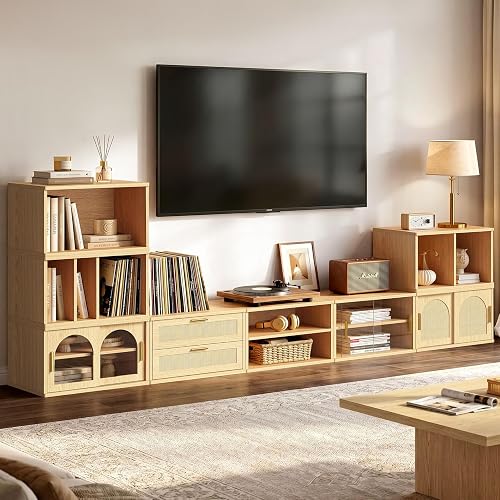
Watch out for: Bargain-bin MDF that swells dramatically when exposed to even minor moisture and cannot be repaired once damaged.
> Pro Tip from Industry Insiders: Look for MDF with a density rating above 750 kg/m3. Anything below that threshold is essentially compressed sawdust with delusions of grandeur.
Metal and Glass: The Modern Minimalist's Dream
Industrial-style stands featuring tempered glass shelves and powder-coated steel frames deliver that floating, ultra-contemporary aesthetic that magazine editors adore. They visually disappear in small spaces, dramatically lighten dense rooms, and clean up in seconds with nothing more than a microfiber cloth.
Expert Designer Insight: Always opt for tempered safety glass with a minimum 8mm thickness for any shelf holding heavy components. Anything thinner is an accident waiting to happen.
Particleboard: Proceed with Extreme Caution
We'll be refreshingly blunt here. Cheap particleboard wrapped in printed paper laminate is the fast fashion of furniture. It may look acceptable on day one under showroom lighting, but the screws strip with maddening predictability, the surfaces chip at the slightest impact, and one humid summer can swell it beyond any hope of recovery.
> Expert Insight: "Every dollar saved on particleboard is essentially borrowed against your next replacement purchase. Buy quality once instead of replacing five times. Your wallet and the planet will thank you."
Chapter 2: Storage Strategy That Actually Works in the Real World
The smartest entertainment centers are designed around how you actually live, not how a furniture catalog imagines you live. Before you fall in love with a beautiful piece, conduct a brutally honest inventory of everything that needs a home.
The Essential Storage Inventory Checklist
- Streaming devices (Apple TV, Roku, Fire Stick)
- Gaming consoles (each requiring ventilation and access)
- Sound bars or center channel speakers
- Subwoofers (typically need dedicated floor space)
- Cable boxes or DVRs
- Physical media collections (4K Blu-rays, vinyl records, board games)
- Remote controls (corral them in a dedicated drawer)
- Decorative accents that make the space feel curated
Open Shelves vs. Closed Cabinets: The Eternal Debate
Open shelving wins when you want quick access, visual lightness, and the ability to display your gear like the trophy collection it is.
Closed cabinets win when you have curious pets, small children with sticky fingers, or simply prefer a serene, clutter-free aesthetic where electronics fade into the background.
> The Hybrid Approach: Most design professionals recommend combining both. Use closed cabinets for cable boxes and gaming consoles, and reserve open shelves for showcase pieces, vinyl, and decorative objects.
Chapter 3: The Cable Management Secrets Professionals Swear By
Here's the truth nobody talks about: cable management is what separates amateur setups from genuinely impressive home theaters. Master this single skill and your space will instantly look thousands of dollars more expensive.
The Professional's 5-Step Cable Discipline
- Map every cable before plugging anything in. Label both ends with reusable Velcro tags.
- Use a dedicated power conditioner rather than a generic surge protector. Your electronics will last dramatically longer.
- Route cables along the back panel using adhesive cable raceways, never letting them droop visibly.
- Separate power cables from signal cables by at least 6 inches to eliminate interference.
- Leave service loops of 12 to 18 inches behind each component for future flexibility.
Ventilation: The Silent Killer of Electronics
Heat is the number one assassin of expensive AV equipment. A cabinet that traps warm air will shorten the lifespan of every device inside it by years.
- Demand rear ventilation cutouts sized at least 4 inches in diameter
- Consider adding quiet USB-powered cabinet fans for enclosed setups
- Leave a minimum 2-inch clearance above every component
- Never stack devices directly on top of each other
The Final Word: Buy Once, Love Forever
Your entertainment center is the visual anchor of the room where you decompress, celebrate, and connect. Treat this decision with the gravity it deserves. Choose materials built to last, storage configured around your real life, and cable management that respects both your aesthetic and your equipment.
Do this right, and you won't be shopping for another entertainment center for fifteen years or more. Do it wrong, and you'll be reading another buying guide just like this one before next Christmas.
The choice, as always, is gloriously yours.
Key Takeaways
- Choosing the right entertainment center buying guide means matching capacity and output ports to your actual devices
- Always check actual watt-hours (Wh), not just watts — runtime depends on Wh, not peak output
- Also covers: what to look for in an entertainment center
- Also covers: media console features
- Also covers: entertainment center materials
- Compare price-per-Wh across models to find the best value for your budget